
The Logistics of Moving Heavy Masonry Waste
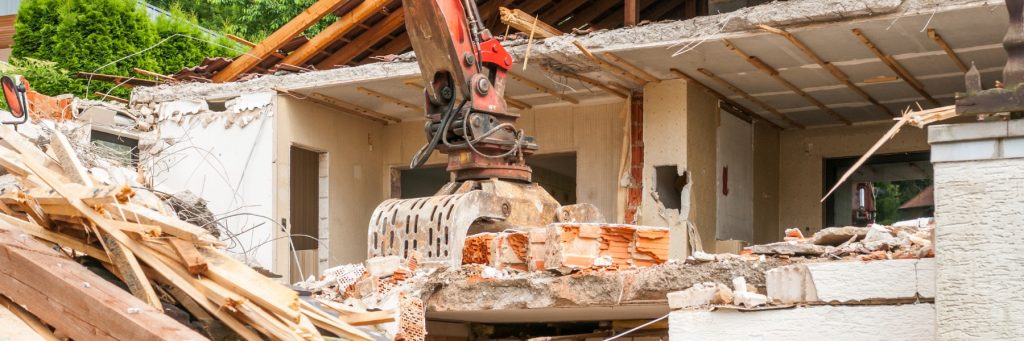
Renovation and construction projects generate massive volumes of waste, with concrete, brick, and asphalt being among the heaviest materials to manage. Unlike standard household trash, masonry debris cannot be discarded in standard waste containers. Specialized hauling solutions are required to transport these heavy loads.
The logistics of managing heavy waste involve selecting the correct container types and scheduling timely pickups. Heavy materials require sturdy steel dumpsters designed to withstand the extreme impact of loading broken concrete. Proper weight distribution within the container is also essential for transport over local roads.
In Highland, developers and homeowners rely on Heavy Dumpster Hauling to keep their work sites clear of obstructive debris. Having a dedicated hauling strategy prevents waste from accumulating, which can slow down progress and create logistical bottlenecks. Efficient waste management is a cornerstone of any successful build.
Choosing the Right Dumpster Size for Concrete
When dealing with dense materials like concrete and soil, container size choice is dictated by weight capacity rather than volume. Standard large dumpsters can easily exceed legal road weight limits if filled completely with heavy masonry. Therefore, smaller, specialized containers are typically used for concrete disposal.
A 10-yard or 20-yard low-profile dumpster is often the ideal choice for heavy debris projects. These containers are designed to handle high-density loads while remaining within the weight limits of transport vehicles. Choosing the right size ensures that the hauling truck can lift and transport the container.
Consulting with hauling professionals helps you select the optimal container for your specific project needs. This prevents the inconvenience of overfilled dumpsters that cannot be legally transported. Matching the container capacity to your debris volume ensures a smooth and efficient waste removal process.
Efficient Loading Techniques for Dense Materials
Loading a heavy dumpster requires a strategic approach to maximize space and ensure stable transport. Heavy chunks of concrete should be placed flat at the bottom of the container to lower the center of gravity. This positioning prevents shifting during transit and makes the loading process more efficient.
Smaller debris, such as gravel, dirt, or concrete fragments, can be used to fill the voids between larger blocks. This packing method maximizes the total volume utilized within the container without exceeding weight boundaries. Distributing the weight evenly from front to back is crucial for the hauling vehicle’s balance.
Using machinery like skid steers or mini excavators speeds up the loading process considerably. It reduces manual strain and allows heavy materials to be placed precisely within the dumpster. Proper loading techniques ensure the dumpster is utilized to its full capacity while remaining within weight limits.
Transporting Heavy Construction Debris Away
Once the dumpster is fully loaded, professional hauling vehicles are dispatched to transport the heavy debris away from the site. These specialized trucks are equipped with heavy-duty roll-off hoist systems capable of lifting tons of masonry waste. The transport process requires skilled drivers experienced in handling high-weight loads.
The waste is hauled to designated local recycling centers or sorting facilities where concrete can be crushed and repurposed. This process ensures that the materials are handled responsibly and integrated back into construction supply chains. Responsible disposal is an important aspect of modern waste management.
Ben-Crete Removal LLC offers reliable hauling services to keep your construction sites in Highland running smoothly. Our team coordinates the delivery, placement, and rapid pickup of heavy containers, ensuring your project remains on schedule. Partnering with us simplifies your heavy waste logistics.